
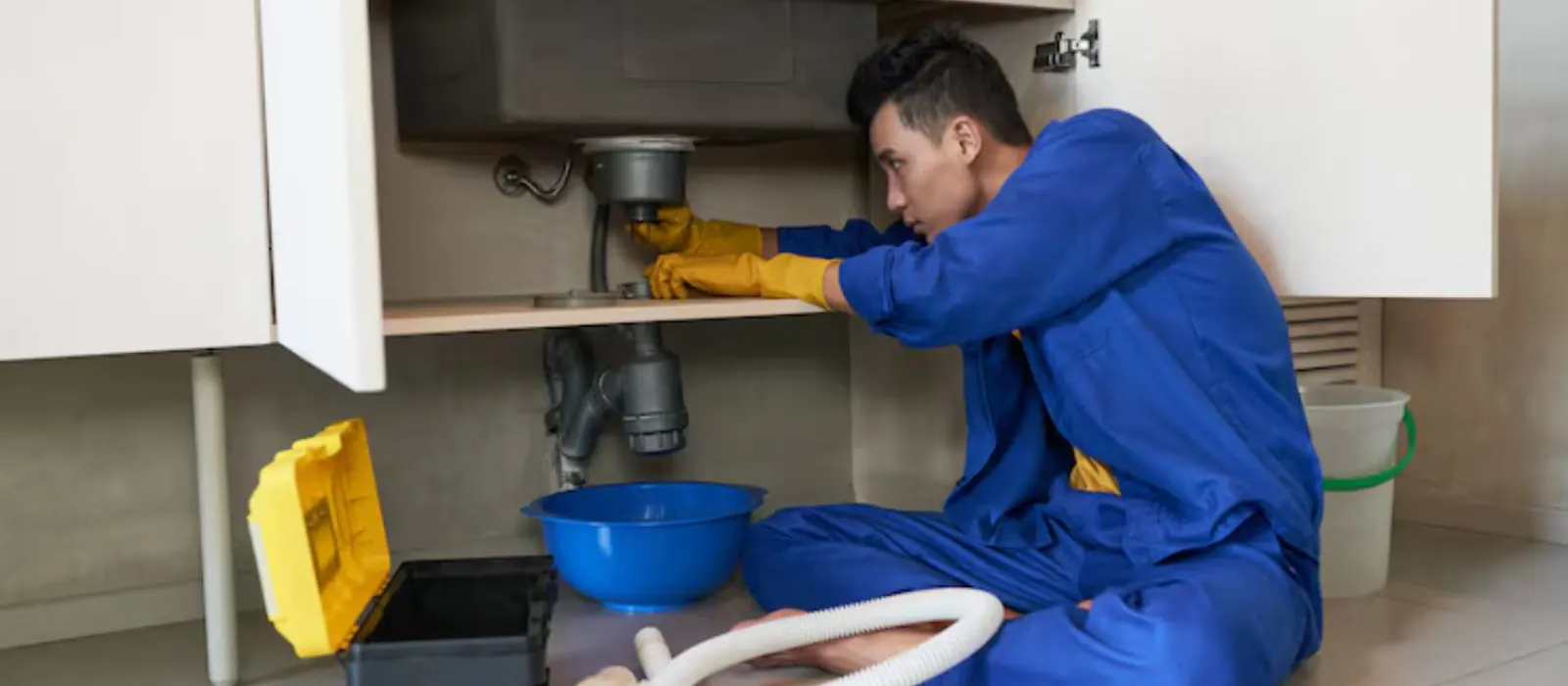
Most repeat drain clogs come from a few habits and one hidden cause. The habits are grease, hair, wipes and food waste. The hidden cause is a rough, sagging or root-filled pipe that catches whatever passes through. Fix the habits first, and call for a camera when a drain clogs again within weeks.
The kitchen sink: grease is the enemy
Cooking fat looks liquid when it is hot and turns into a solid film as it cools in the pipe. Each wash adds another layer, and in a few months the pipe is half its size. Pour fat into a can and throw it away, and wipe pans with a paper towel before washing.
A garbage disposal does not break up grease. It grinds food into smaller pieces, which stick to the film. Run cold water while it runs and keep fibrous waste, such as celery and corn husks, out.
Bathrooms: hair and soap
Hair and soap form a sticky mat in tub and sink drains. A drain strainer costs a few dollars and catches most of it. Pulling the strainer weekly and clearing the hair prevents the clog before it starts.
Toilets: only waste and toilet paper
Wipes labeled flushable do not break up like paper. Neither do cotton swabs, dental floss or paper towels. They snag on rough pipe and collect other waste. Put them in the trash.
| Fixture | Fine | Never |
|---|---|---|
| Kitchen sink | Water, dish soap, small food scraps | Grease, coffee grounds, rice, eggshells |
| Bathroom sink and tub | Water, soap | Hair, floss, cotton, dyes |
| Toilet | Waste and toilet paper | Wipes, paper towels, feminine products, diapers |
| Washing machine | Water, detergent | Lint buildup, bleach overdoses |
| Garbage disposal | Small soft scraps | Bones, grease, fibrous vegetables, pasta |
Plunger, snake or professional
- Use a plunger first on a sink or toilet. Cover the overflow and use a firm seal.
- Use a small hand snake for a single sink or tub if the plunger does not work.
- Avoid chemical openers, which can damage old pipe and are dangerous to the plumber.
- If several drains are slow, stop. The clog is in the main line.
- If the same drain clogs again within weeks, ask for a camera.
A cable clears the clog, but it does not clean the pipe. Grease and scale stay on the walls and the clog returns. Hydro jetting cleans the pipe wall and lasts longer. Drain cleaning explains which tool fits which problem.
Signs the problem is not a clog
- The same drain clogs repeatedly
- A gurgling toilet when another fixture drains
- Sewage smell in the basement
- Wet spots or sinkholes in the yard over the line
- Drains that are slow in dry weather and fine in wet weather
Those signs point to roots, a broken pipe or a sag in the line. A camera shows which. If a main line is blocked, the first step is sewer line cleaning.
A simple maintenance routine
- Flush hot water down the kitchen drain after washing dishes
- Clean strainers weekly
- Run a monthly enzyme product if you like, knowing it helps only with light buildup
- Schedule jetting every year or two if your line has roots or grease
- Know where your main cleanout is
Kitchen habits that make the biggest difference
The kitchen sink is where most preventable clogs start. Scrape plates into the trash before rinsing, and use a sink strainer to catch scraps. Never rinse coffee grounds, eggshells or rice down the drain, since they pack together and hold grease.
Hot water alone does not move grease far. It melts the fat, which then cools and hardens farther down the pipe. A squirt of dish soap and a long flush of hot water after a greasy meal helps, but the best habit is to keep the fat out of the sink in the first place.
A quick monthly check
- Run water in every drain for a minute, including unused guest baths
- Watch how fast each sink empties
- Smell the floor drain in the basement
- Lift and rinse stoppers and strainers
- Note any gurgling when a washing machine or dishwasher drains
An unused drain can dry out its trap, which lets sewer gas into the room. Running water refills the trap and keeps the seal.
Teach everyone in the house the same rules. One person pouring bacon grease into the sink undoes the work of everyone else, so a small can by the stove and a note on the cabinet door are worth the effort.
If you rent or share a building, tell the owner or the property manager about slow drains early. A shared stack can clog at a lower floor, and a prompt report keeps a small cleaning from turning into a backup in someone else's unit.
Frequently asked questions
Grease, hair, wipes and food waste are the habits. A rough, sagging or root-filled pipe is the hidden cause.
They can open a soft clog but can damage old pipes and are hazardous to a plumber. We recommend avoiding them.
A cable clears a clog, and a jetter cleans the pipe wall. Jetting lasts longer for grease and scale.
Yes. Wipes do not break up like toilet paper, and they collect on pump parts and in pipes.
Hingham's 2019 pump station report lists streets for the Weir River, Mill Street, South Street and Town Brook, Bel Air and other stations. Ask the Hingham DPW for your address.