
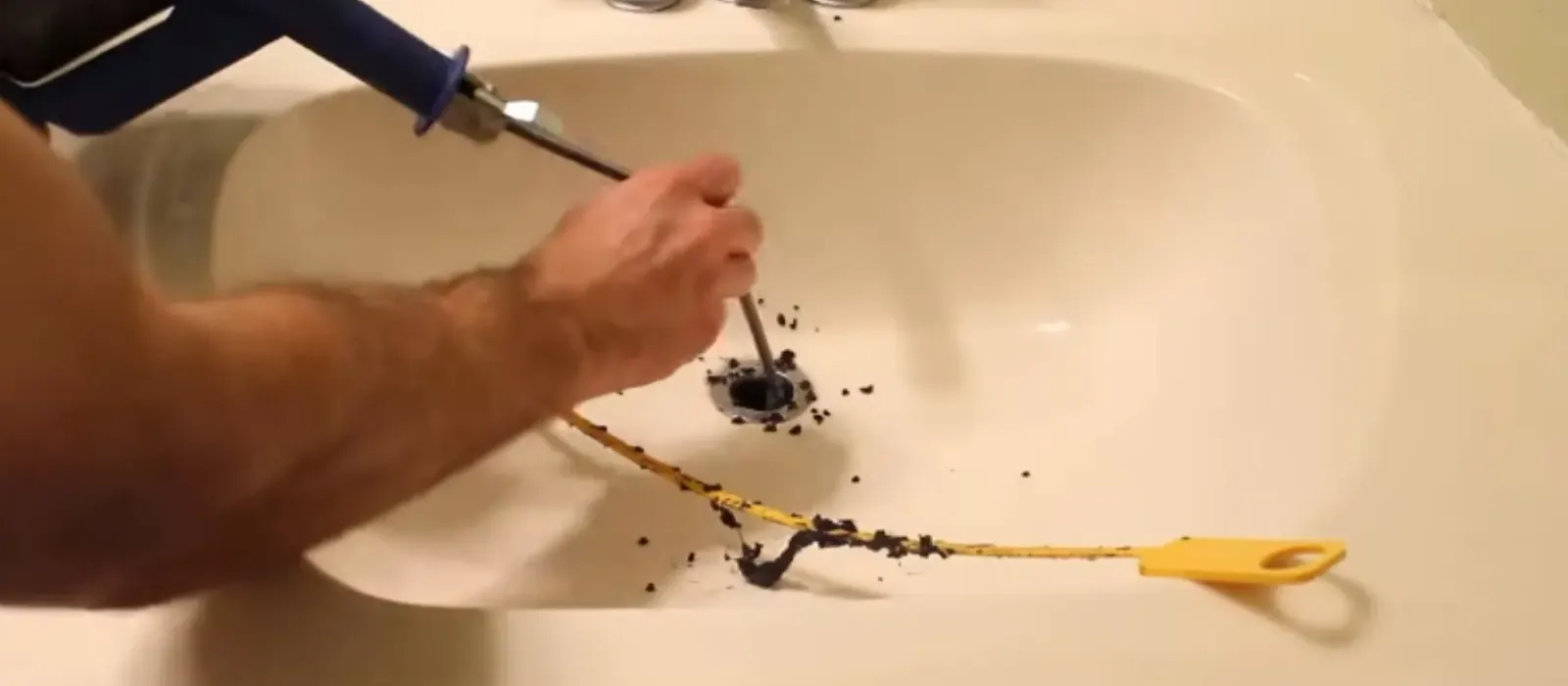
Enzyme cleaners can help keep a sewer line moving by digesting organic buildup such as grease, soap and food residue over days. They do not open a blocked line quickly, and they do nothing for roots, a broken pipe, a belly or a clog made of wipes. Use them for maintenance, not for emergencies.
What enzyme cleaners are
Enzyme and bacterial cleaners contain living bacteria or the enzymes they produce, which break down organic matter. They are sold as liquids or powders that you pour down a drain, usually at night, and let sit while no water runs. The goal is a slow clean of the pipe wall.
That is different from a chemical opener. A chemical opener uses a strong acid or base to burn through a clog quickly. Enzyme products work slowly and gently, which is why they are marketed as safe for pipes and septic systems.
Enzyme, chemical and mechanical: how they compare
| Method | Speed | Best for | Limits |
|---|---|---|---|
| Enzyme cleaner | Days to weeks | Light grease and soap film, maintenance | Does not clear a blockage, no effect on roots or breaks |
| Chemical opener | Minutes to hours | Hair and soft clogs in a single fixture | Can damage old pipe, hazardous to the plumber |
| Cable or snake | One visit | Most household clogs | Leaves film on the pipe wall |
| Hydro jetting | One visit | Grease, scale, root hair | Needs sound pipe |
| Camera inspection | One visit | Finding the cause | Does not clear the line on its own |
If a drain is already blocked, an enzyme product will not fix it fast enough, and standing water can dilute it. Do not combine enzyme products with chemical openers, because the chemicals kill the bacteria.
When an enzyme product makes sense
- A kitchen line that clogs with grease every few months
- A slow drain that is not fully blocked
- A septic home where harsh chemicals are discouraged
- A house with older pipes where you want to avoid chemical openers
- As a monthly routine after a main line was cleaned
Used correctly, an enzyme product might reduce the number of times you need a cable. It is not a replacement for a camera when a drain keeps clogging. A clog that returns every few weeks points to a defect in the pipe.
How to use it
- Read the label and use the amount for your pipe size.
- Pour it into the drain at night, when no water will run for hours.
- Do not flush it with hot water, which can kill the bacteria.
- Repeat on the schedule in the directions.
- Keep grease out of the drain, because the product cannot keep up with a daily load.
Enzymes and septic systems
Septic tanks already contain bacteria, and many homeowners ask if an additive is needed. Regular pumping and care about what goes down the drains matter more than additives. Ask your septic professional what applies to your system, and do not rely on a product to prevent a failure.
When to stop and call
Call a plumber if several drains are slow, water backs up in a floor drain, or an odor comes from a cleanout. Those signs point to the main line, covered under sewer line cleaning. If you have used enzyme products for months and the drain still clogs, ask for a camera look at the line, which our drain cleaning team does after clearing a clog.
How to judge a product claim
Marketing for drain products leans on words like natural, safe and bio. None of those words describes how well a product clears a pipe. Look for what the label says it digests, how long it needs to sit and whether it lists pipe types it is safe for.
A good test is the symptom. A product can help with slow drains caused by light organic film. It cannot remove a root mass, a collapsed pipe, a belly full of settled waste or a pipe full of grease that has hardened. Those need a cable, a jetter or a repair.
- Use enzyme products on a regular schedule, not as an emergency fix
- Pour at night so the product can sit in the pipe for hours
- Never mix products, and never pour one on top of a chemical opener
- Stop and call a plumber if several fixtures are slow at once
- Ask for a camera look if the same drain slows again within a month
If you are on a septic system, check the manufacturer's guidance and your septic professional before adding anything regularly, since the tank depends on its own balance of bacteria.
Think about cost over a year, too. A bottle every month adds up, and if the drain still slows down, you have paid for a product and for the plumber. When a drain clogs three or more times in a year, a one-time camera inspection usually costs less than another year of guessing.
Frequently asked questions
They help break down light organic buildup over time. They do not unblock a clog quickly, and they do nothing for roots or a damaged pipe.
They are marketed as septic-safe, but regular pumping and careful use of drains matter more. Ask your septic professional.
No. Chemical openers can kill the bacteria in enzyme products.
Follow the label. Monthly is a common schedule for maintenance.
Ask the Hingham DPW. The town's pump station service areas include the Weir River and Bel Air stations, but the report does not give a town-wide share.